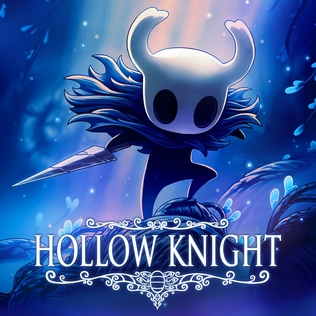
Hollow Knight
Jackson James
Introduction
The first time you drop into Hollow Knight, it doesn’t really explain itself. You walk into this quiet, almost empty place, and for a moment it feels like nothing is happening. Then you go a little deeper, run into your first enemy, and suddenly you realise—this game expects you to figure things out on your own. There’s no big tutorial, no constant reminders of what to do next. Just a ruined kingdom, a small weapon, and a lot of unanswered questions. Some people bounce off that immediately. Others get hooked because of it. This guide isn’t here to hold your hand through every step, but it will make things a lot clearer—especially early on when the game can feel a bit unforgiving.
Getting Used to How the Game Works
At a basic level, Hollow Knight follows a pretty simple pattern, even if it doesn’t feel like it at first. You explore, you get lost, you find something useful, and suddenly areas that felt impossible before start to open up. Then it repeats. What throws people off is that the game never really tells you “go here next.” You kind of have to build your own sense of direction over time. If you’re waiting for clear instructions, you’ll probably feel stuck. If you’re okay wandering around a bit, it clicks much faster.
Movement Feels Slow… Until It Doesn’t
Early on, your character feels limited. You can jump, swing your nail, and that’s about it. It might even feel a little stiff. That changes a lot. As you progress, you unlock abilities that completely change how the game feels—dashing, wall-jumping, double-jumping. Once you have a few of these, movement becomes smooth and fast, and going back to earlier areas feels totally different. A small tip that helps more than you’d expect: always look for benches. They’re not just save points—they’re also where you manage Charms. Missing one can mean a long walk back if you die.
Don’t Ignore the Map System
It sounds obvious, but a lot of new players underestimate how important maps are. When you enter a new area, you won’t have the map right away. You’ll need to find the cartographer first, and until then, you’re basically navigating blind. That’s intentional—it adds tension—but it can also get confusing fast. Once you do get the map, it’s worth upgrading it with things that make navigation easier. Being able to see where you are at all times makes a huge difference, especially when you start backtracking.
Combat: Simple, but Not Easy
Fighting in Hollow Knight isn’t complicated, but it’s very precise. Most enemies follow patterns, and once you see those patterns, they become much easier to deal with. The mistake most people make is trying to rush fights. You’re almost always better off landing one clean hit and backing off than trying to squeeze in extra damage. Greed gets punished hard in this game, especially in boss fights. Healing is another thing to think about. It’s not instant—you have to stand still for a moment—so timing matters. If you try to heal at the wrong time, you’ll probably take damage instead.
Charms Make a Bigger Difference Than You Think
At first, Charms might seem like small bonuses, but they can completely change how you play. Some make exploration easier, others improve combat, and a few can shift your entire approach to fights. The key is experimenting. What works well early on might not feel useful later, and vice versa. If you’re struggling, it’s often not just a skill issue—it might be your Charm setup. Swapping a few things around can make a fight feel way more manageable.
Progression Isn’t Always Obvious
Upgrading your character doesn’t happen in one straight line. You’ll improve your weapon, gain new abilities, find health upgrades, and increase your Soul capacity—but not all at once, and not in a fixed order. Sometimes you’ll go a long stretch without a major upgrade, then suddenly find something that changes everything. If progress feels slow, it usually means there’s something you missed, not that the game has stalled.
Death Happens (A Lot)
You’re going to die. Probably more than you expect. When you do, you drop your Geo, and a Shade appears where you fell. To get your money back, you have to return and defeat it. That adds a bit of pressure, especially if you had a lot saved up. The safest approach is simple: don’t carry more Geo than you’re willing to lose. Spend it when you can. It saves a lot of frustration later.
Boss Fights Are About Learning, Not Winning
Bosses are where the game really tests you. At first, they can feel overwhelming. Fast attacks, small openings, and not much room for mistakes. But every boss has patterns, and once you start recognizing them, the fights become much more manageable. It helps to treat your first few attempts as practice. Don’t worry about winning right away—just focus on understanding what the boss does. Once that clicks, the fight usually falls into place.
Getting Unstuck
There will be moments where you don’t know where to go next. That’s normal. When that happens, think about abilities you’ve recently unlocked. New movement options often mean new paths have opened somewhere else. Checking older areas again can lead to progress. Also, if something feels completely impossible, it probably is—for now. The game rarely expects you to brute-force your way through something you’re not ready for.
Managing Your Geo
Geo comes and goes pretty quickly, but losing a large amount still hurts. The easiest way to avoid that is to spend it regularly. Buy upgrades, maps, Charms—anything useful. Holding onto it for too long just increases the risk of losing it all in one mistake.
Late Game Gets Tougher
As you get further in, the difficulty ramps up quite a bit. Enemies hit harder, platforming becomes more precise, and bosses demand better timing. By this point, though, you’re expected to understand the mechanics well enough to handle it. If something feels too difficult, it’s usually a sign to refine your approach rather than push harder.
The World and Story
One of the most interesting things about Hollow Knight is how it tells its story. There’s no long explanation or clear narrative path. Instead, you piece things together through small details—dialogue, environments, item descriptions. It’s subtle, but it works. The more you explore, the more the world starts to make sense.
Conclusion
Hollow Knight isn’t a game that tries to impress you right away. It builds slowly. The more time you give it, the more it opens up, both in terms of gameplay and atmosphere. You start out unsure of everything—where to go, how to fight, what matters. By the end, you’re moving through the world with confidence, taking on challenges that would have felt impossible at the start. If there’s one thing to keep in mind, it’s this: take your time with it. The game is at its best when you’re not rushing, just exploring and figuring things out as you go.
Comments
Sign in to leave a comment.
Enjoying this guide? Sign up free to track your progress and earn XP.
Sign Up Free