Genshin Impact: Understanding the Elements
Kah Chee
Hey there Traveler, its been a minute. This time, we'll be talking about the elements in the game and how they work.
Understanding the elements is honestly a great way to increase your damage output by a mile. Don’t worry, I’ll make sure to explain everything you need to know step-by-step. Whether you're a beginner, or someone who plays; but never really understood how it works, this is for you. And who knows, at the end of this guide, you may be a master of all.
A Very Very Very Brief Introduction (Trust me)
To understand how the elements work, you should know that unlike other games, the enemies in Genshin don’t have particular elemental weaknesses or strengths. So dealing damage has nothing to do with "using the right element" against a particular enemy. Boosting damage output relies on the combination of elements while dealing damage. This combination is known as an 'Elemental Reaction'.
An Elemental Reaction occurs when two (or more) elements are in contact. And this contact opens several combination possibilities. After you attack an enemy, you would see an elemental symbol above their health bar. This means that the element has been applied to that enemy.
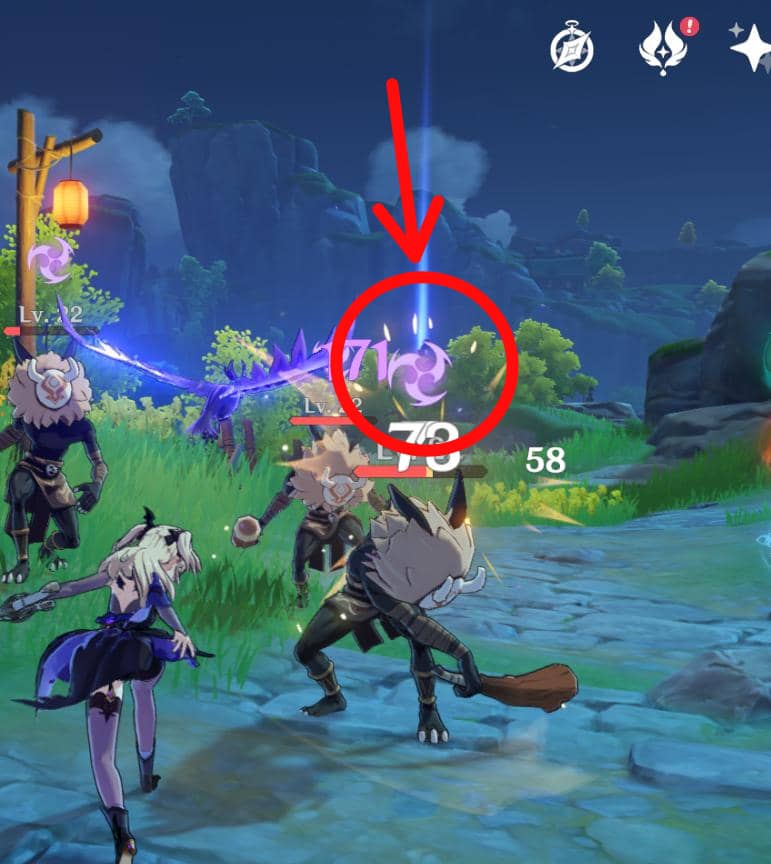
After using a different element on that same enemy, an elemental reaction is then triggered.
For example; like I mentioned in the Beginner's Guide, when Ice meets Electricity, a 'SuperConduct' reaction is triggered.
If you haven't read the Beginner's Guide, do check it out.
Before we get into each and every possible reaction, let’s go over the different elements again. But this time with the actual game terms.
The Elements
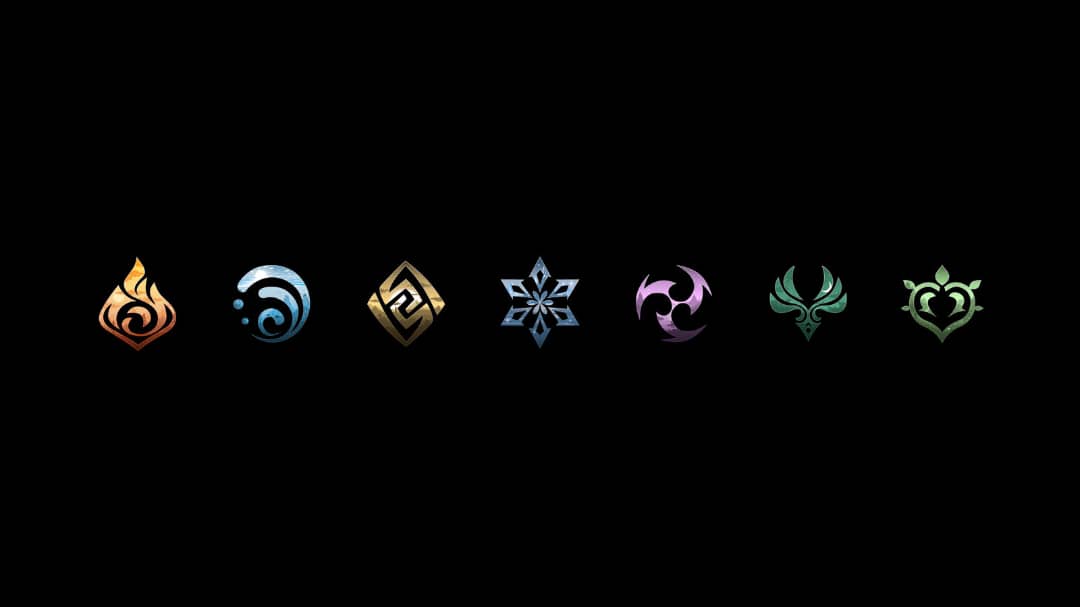
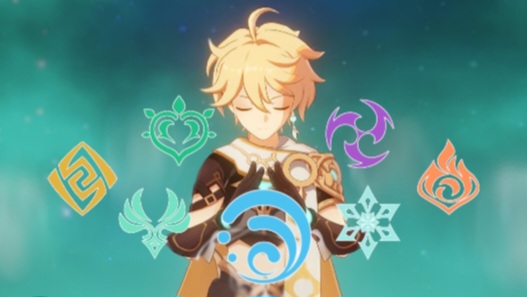
The elements are pretty simple to get used to. They're the usual elements you’re familiar with, only with more "Interesting" names. As mentioned in the Beginner's Guide, there are seven elements in the game. - Hydro (Water) - Cryo (Ice) - Pyro (Fire) - Electro (Electricity) - Anemo (Air) - Geo (Earth) - Dendro (Nature)
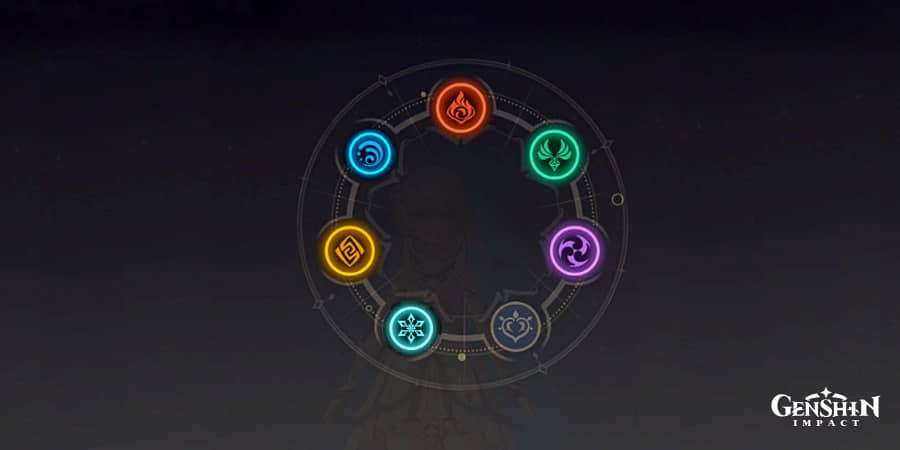
This only means that there are a ton of possible combinations. We’ll delve into how they work, and how you can use these reactions to your advantage and deal as much damage as possible.
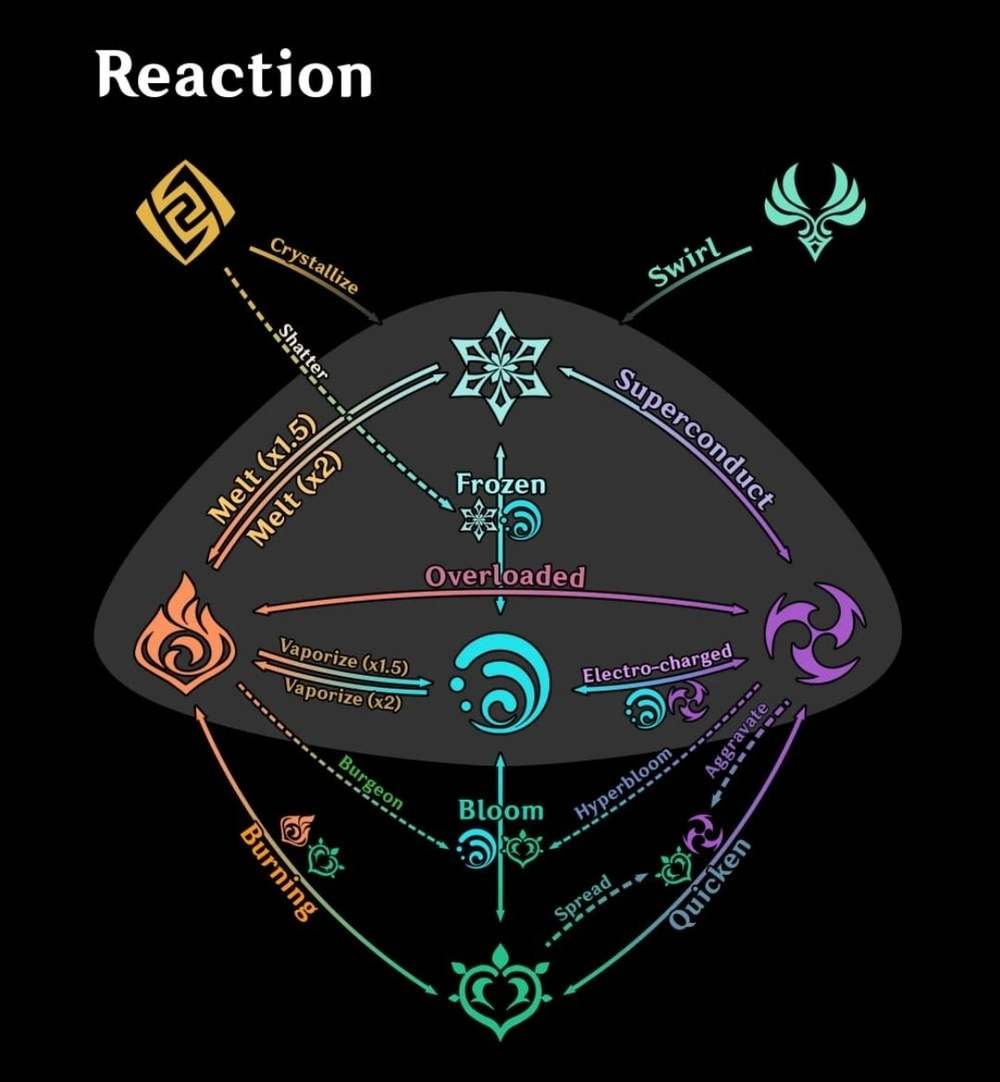
I. Freeze
This reaction happens when Hydro combines with Cryo. This is a really straightforward reaction as the enemy freezes in place, allowing you to deal more damage.
Under thus reaction is a sub-reaction called 'Shatter'. It happens when the frozen enemy is hit with a melee attack, granting 1.5x more damage. The easiest way of getting this sub-reaction is using a Geo character to hit the frozen enemy.
II. Vaporize
This happens when Hydro meets Pyro. To understand this better, it’s like putting water on an empty pan that’s been on the stove too long.
The order which the elements are used affect the damage output. So if you use Pyro before Hydro it’ll be 2x damage. Hydro before Pyro equals 1.5x damage.
III. Melt
This is very similar to vaporize. Instead, it’s a combination of Cryo and Pyro. It’s also uses the "order = damage" format. So Cryo before Pyro = 2x damage. And Pyro before Cryo = 1.5x.
IV. Overload
It does sound heavy, doesn't it? Good thing it is. It’s the reaction of Pyro and Electro. Dealing a whooping 2x damage, and can be used effectively against smaller enemies as it has a Shockwave effect.
This reaction works better when you use a character that excels in long range combat.
V. ElectroCharged
It’s exactly like that one time you touched the tip of your charger with a wet hand. It’s an impressive reaction because it stays "shocking" the enemy as long as both elements are applied to the enemy. Even while dealing 1.2x damage, if a third element is added to the equation, it then reacts with either of the elements and deals damage simultaneously with the ElectroCharged reaction. It deals up to 3.5x damage while this happens so, you better look out for an opportunity to make the enemies regret waking up that day.
VI. SuperConduct
You already know what this means right? Of course you do. It’s when Cryo meets Electro. This reaction, unlike the rest, doesn't particularly increase damage. However, it slows down the enemy's damage resistance which allows normal attacks to affect them more than usual.
VII. Swirl
This is honestly the most common reaction. It happens when Anemo combines with either; Electro, Cryo, Hydro or Pyro. It’s like adding wind to wild fire. Anemo reacts which any of these elements and deals additional damage alongside the damage the element already deals.
A really useful reaction when dealing with enemies in wide range, especially when they're a handful.
VIII. Crystallize
A however underwhelming reaction that happens when Geo comes in contact with either of the four elements mentioned earlier. Similar to SuperConduct, it doesn't deal any damage. It only gives you a shield.
Although it’s a shield, do not rely on it as much. Heavy attacks from enemies could easily break it. So use it as a "breather" to heal and regain stamina.
A Master Already?
You're probably already feeling very powerful. Although it’s a good thing, most of the damage output potential still rests on your character's elemental and damage mastery. So putting in the work to master your character is a huge piece of the puzzle.
Only the character triggering the reaction needs to be of a better mastery.
But I trust you, you'll get a hang if it. And in no time you’ll be dealing tens of thousands of damage with single hits.
But until then, we’ll be meeting again, Traveler.
Comments
Sign in to leave a comment.
Enjoying this guide? Sign up free to track your progress and earn XP.
Sign Up Free